What is the use of pogo pin in tablet?
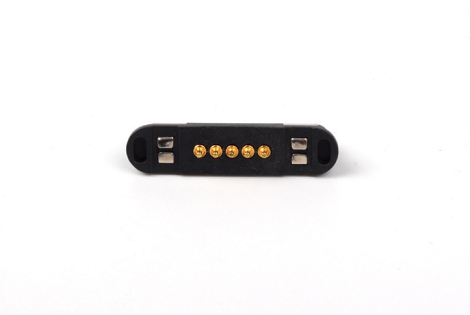
Pogo pins, also known as spring-loaded connectors, are critical components in modern tablet design. These small, durable connectors enable reliable electrical connections while addressing challenges related to portability, durability, and multifunctionality in tablets. Below is a detailed exploration of their applications, advantages, and technical significance.
1. Introduction to Pogo Pins
Pogo pins are spring-loaded contact pins that provide temporary electrical connections between devices. They consist of a plunger, spring, and barrel, designed to compress and maintain consistent contact under mechanical pressure
In tablets, they are often integrated into ports, docking stations, or modular accessories to facilitate data transfer, charging, and peripheral connectivity.
2. Key Applications in Tablets
2.1 Charging and Power Delivery
Pogo pins are widely used in tablet charging systems. Unlike traditional USB-C or Lightning ports, pogo pin connectors:
• Reduce Wear and Tear: The absence of physical insertion minimizes port degradation, extending the device’s lifespan.
• Enable Magnetic Alignment: Tablets like the Microsoft Surface use magnetic pogo pin connectors for effortless docking, ensuring proper alignment without manual precision.
• Support Fast Charging: High-current pogo pins enable rapid power delivery, critical for tablets with large batteries.
2.2 Data Transfer and Peripheral Connectivity
Tablets often rely on pogo pins for high-speed data transmission and peripheral integration:
• Docking Stations: Pogo pins connect tablets to external displays, keyboards, or storage devices. For example, Lenovo tablets use pogo pin docks to transform into laptop-like workstations.
• Modular Accessories: Attachable peripherals (e.g., stylus chargers, extended batteries) use pogo pins for seamless communication and power supply.
2.3 Diagnostic and Manufacturing Interfaces
During production and maintenance, pogo pins serve as:
• Testing Points: Engineers use pogo pin arrays to access internal circuits for firmware updates or diagnostics without disassembling the device.
• Programming Interfaces: In factories, pogo pins enable bulk configuration of tablets before assembly.
2.4 Water and Dust Resistance
Pogo pins enhance tablet durability by:
• Eliminating Open Ports: Replacing traditional ports with sealed pogo pin contacts reduces entry points for dust and moisture.
• Enabling IP Ratings: This design is crucial for rugged tablets used in industrial or outdoor environments.
3. Advantages Over Traditional Connectors
3.1 Space Efficiency
Pogo pins occupy minimal space, allowing thinner tablet designs. For instance, Apple’s Smart Connector (a pogo pin variant) enables keyboard integration without protruding ports
3.2 Enhanced Durability
• Spring Mechanism: Absorbs mechanical stress, preventing bent pins or broken connectors.
• Corrosion Resistance: Gold-plated pogo pins resist oxidation, ensuring stable performance in humid conditions.
3.3 User Convenience
• Magnetic Attachment: Simplifies docking/undocking, as seen in Samsung DeX stations.
• Multi-Device Compatibility: Universal pogo pin layouts allow cross-brand accessory reuse (e.g., chargers).
4. Technical Challenges and Solutions
4.1 Contact Reliability
• Issue: Dirt or debris on pins can disrupt connections.
• Solution: Self-cleaning pin designs (e.g., rotational plungers) mitigate contamination risks.
4.2 Signal Integrity
• Issue: High-frequency data transfer (e.g., 4K video) requires low impedance.
• Solution: Shielded pogo pins and optimized PCB layouts minimize interference.
4.3 Cost and Manufacturing
• Issue: Precision manufacturing increases costs.
• Solution: Automated alignment systems ensure consistent quality during mass production.
5. Future Trends
• Wireless Integration: Hybrid systems combining pogo pins with wireless charging (e.g., Qi standards).
• Modular Ecosystems: Expanding pogo pin applications for AR/VR accessories or IoT device integration.
• Sustainability: Recyclable materials and repair-friendly pogo pin designs to reduce e-waste.
6. Conclusion
Pogo pins are indispensable in tablet engineering, balancing compactness, durability, and versatility. From enabling sleek industrial designs to supporting advanced peripherals, they address the evolving demands of consumer and professional users alike. As tablets continue to integrate more functions—from productivity tools to entertainment hubs—pogo pins will remain central to their innovation

 WhatsApp:+8613652508770